
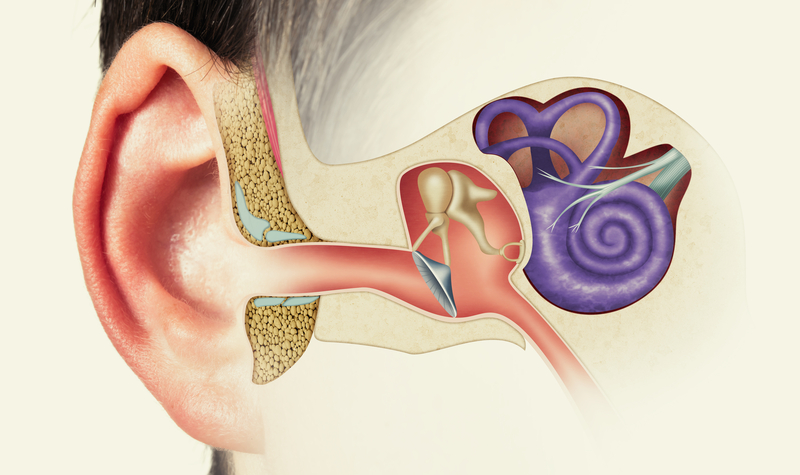
How Do Vestibular Disorders Affect Cognitive and Emotional Health?
When you think about balance problems, dizziness or vertigo might be the first things that come to mind. But vestibular disorders can go much deeper than that. Many people don’t realize these conditions can also impact memory, focus, mood and even trigger anxiety, depression, or post-traumatic stress. The brain is

What Is SUDEP in Epilepsy, and How Can It Be Managed?
If you or someone you love has epilepsy, you may have heard the term SUDEP. If you haven’t, SUDEP stands for Sudden Unexpected Death in Epilepsy. It’s not something anyone wants to think (or talk) about, but understanding SUDEP—and how to minimize risks—is a vital part of living safely with

How Sleep Deprivation Impacts Brain Function and Cognitive Health
Ever feel like your brain is in slow-mo after a rough night’s sleep? Even one bad night of sleep can feel like you’re slogging through concrete, struggling to keep up at work, forgetting simple things, or snapping at your loved ones. We’ve all had those nights: tossing, turning, staring at
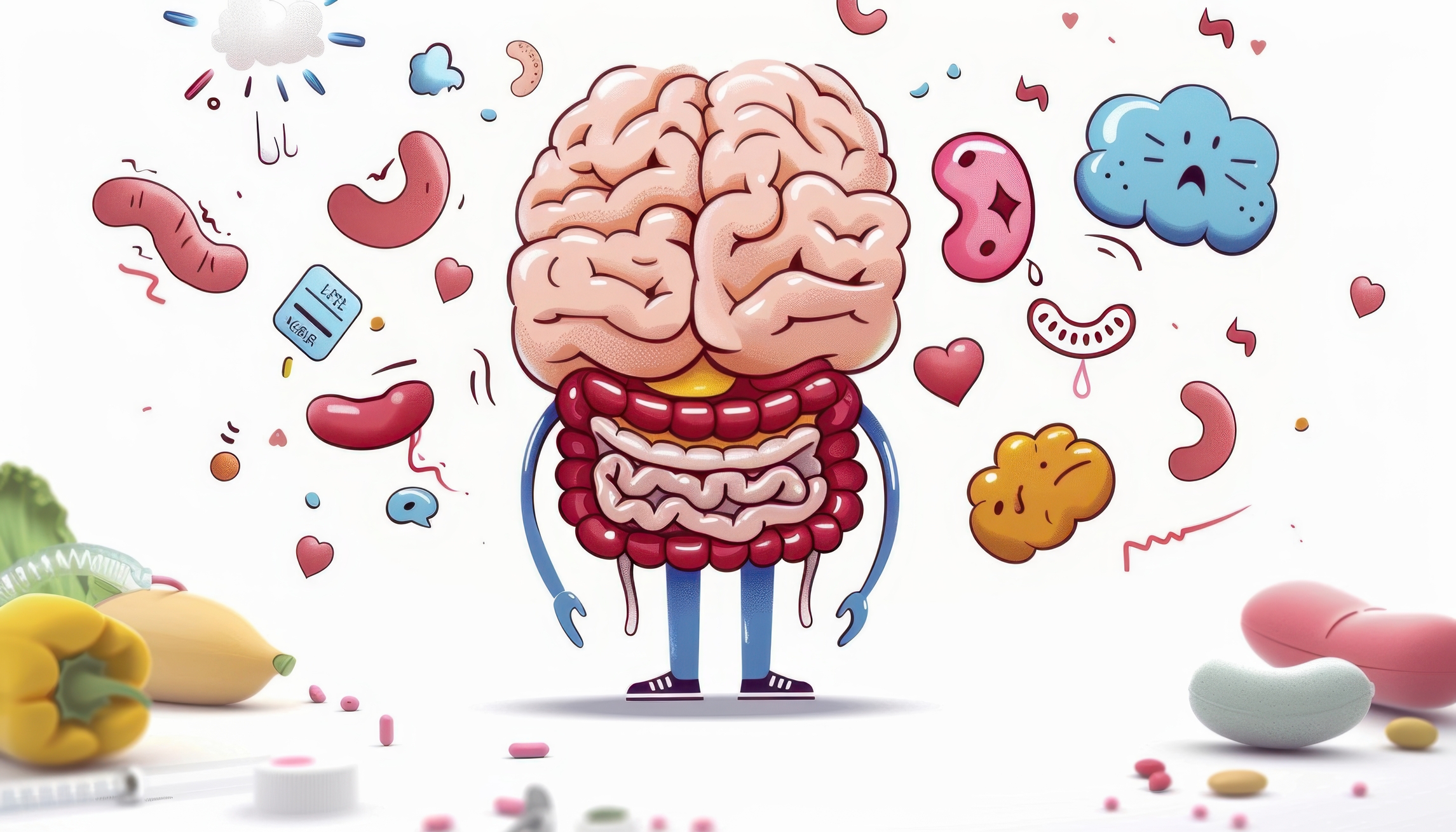
The Gut-Brain Connection and Its Role in Neurological Health
How Your Microbiome Shapes Mental and Neurological Health It might surprise you to learn that your gut—your digestive system—has much to say about how your brain feels and functions. Your gut is often called the “second brain” because of its significant role in your mood, memory, focus, and overall cognitive

New Treatments for Migraine Relief That Don’t Involve Medication
Migraine attacks are more than “just a headache.” If you suffer from these episodes, you know how intense and debilitating they can be. Left untreated, migraine pain and its accompanying symptoms can hijack not just your day, but your entire life. While medication offers relief for some, there are different

Understanding Digital Burnout and Neurological Health
We’re glued to our screens. Whether working on laptops, scrolling through phones, or zoning out in front of a TV, screen time is more than just part of the day—it is the day. And while technology gives us instant access to work, news, entertainment, and connection, it also brings something

Breakthrough Technologies Transforming Neurology
Technology in the neuroscience field is transforming our understanding of the human mind and the treatment of patients. With neurological disorders affecting more than 15% of the global population, AI (artificial intelligence), remote monitoring, and neuromodulation are transforming the way neurologists diagnose and manage brain and nervous system conditions. [1]

Signs That You Should See a Neurologist
If you’ve been experiencing unexplained symptoms like persistent migraines, balance issues or tingling and numbness, you may have a neurological problem. Your doctor may refer you to a specialist called a neurologist if your symptoms suggest a condition affecting the brain or nervous system. While this might sound intimidating, neurologists

Nerve Disorders: Diagnosing and Treating Neuropathy, Neuromuscular Diseases, and More
The nervous system plays a crucial role in controlling movement, sensation, and vital bodily functions. However, when nerve disorders arise, they can lead to pain, weakness, and impaired coordination, significantly impacting quality of life. Conditions like neuropathy, neuromuscular diseases, and other nerve-related disorders affect millions of people worldwide, often progressing

Myopathy: Neurological Causes, Symptoms, and Treatment Approaches
Myopathy is a broad term for a group of disorders that affect muscle function, leading to weakness, fatigue, and difficulty with movement. Unlike neuropathy, which originates from nerve damage, myopathy primarily stems from abnormalities within the muscle fibers themselves. However, neurological factors often play a crucial role in the development

Managing Myasthenia Gravis: Neurological Treatments and Lifestyle Adjustments
Myasthenia Gravis (MG) is a chronic autoimmune neuromuscular disorder that disrupts communication between nerves and muscles, leading to muscle weakness and fatigue. This condition can affect various muscle groups, making everyday tasks such as speaking, swallowing, and even breathing more challenging. While there is no cure for MG, effective management

Multiple Sclerosis (MS): Exploring Treatment Options and New Approaches
Multiple Sclerosis (MS) is a complex neurological disorder that affects millions of people worldwide, disrupting communication between the brain and the body. Characterized by symptoms such as fatigue, muscle weakness, vision problems, and cognitive challenges, MS can significantly impact daily life. While there is no known cure, advances in medical

Migraine Headaches: Neurological Insights and Treatment Options
Migraines are more than just headaches; they are a complex neurological disorder that affects millions of people worldwide, significantly impacting their quality of life. Unlike a typical headache, migraines come with a host of debilitating symptoms, including intense throbbing pain, sensitivity to light and sound, and even visual disturbances. For
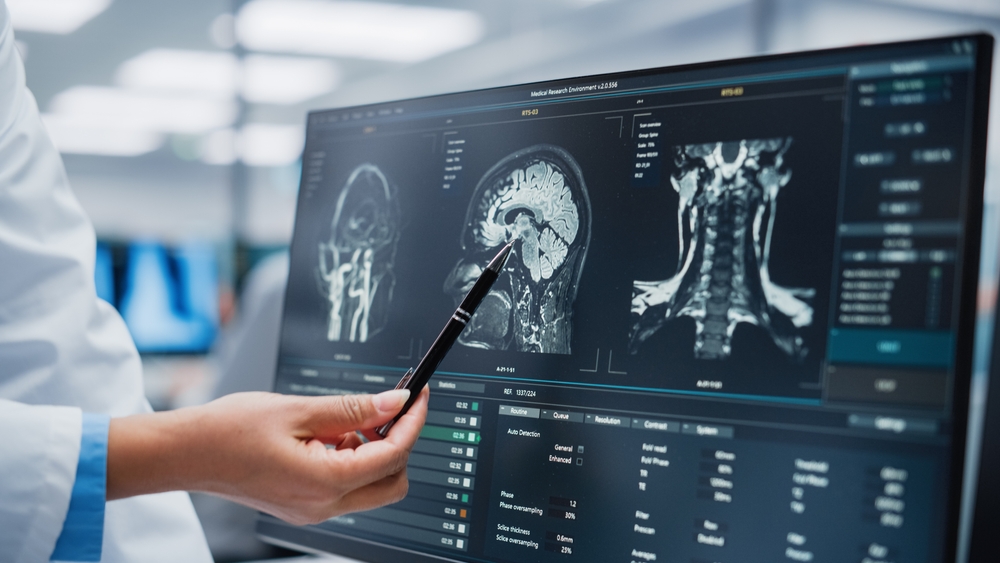
Head Injuries and Neuro Rehabilitation: Recovery and Treatment Options
Head injuries can profoundly impact a person’s physical, cognitive, and emotional well-being. Whether caused by a sports-related accident, a fall, or a more severe traumatic brain injury (TBI), these incidents often disrupt daily life and present unique challenges. Neuro-rehabilitation plays a pivotal role in helping individuals recover and regain independence,

Epilepsy and Medical Cannabis: What You Need to Know
Epilepsy is a complex neurological disorder that affects millions of people worldwide, characterized by recurrent seizures that can disrupt daily life. While traditional treatments such as anti-epileptic drugs and surgery are commonly used, they may not always provide relief for everyone. In recent years, medical cannabis has emerged as a

Managing Dystonia with Neurological Therapy and Medical Cannabis
Dystonia, a complex movement disorder characterized by involuntary muscle contractions and abnormal postures, can significantly impact daily life. For many patients, managing dystonia poses unique challenges, as conventional treatments may provide limited relief or come with unwanted side effects. However, emerging therapies are offering new hope. Neurological interventions, combined with

Balance Disorders: Understanding the Neurological Causes and Treatment Options
Balance is something we often take for granted, yet it is essential for our daily activities, from walking and standing to more complex movements like climbing stairs or playing sports. When balance is disrupted, even simple tasks can become challenging, affecting one’s confidence, safety, and quality of life. Balance disorders
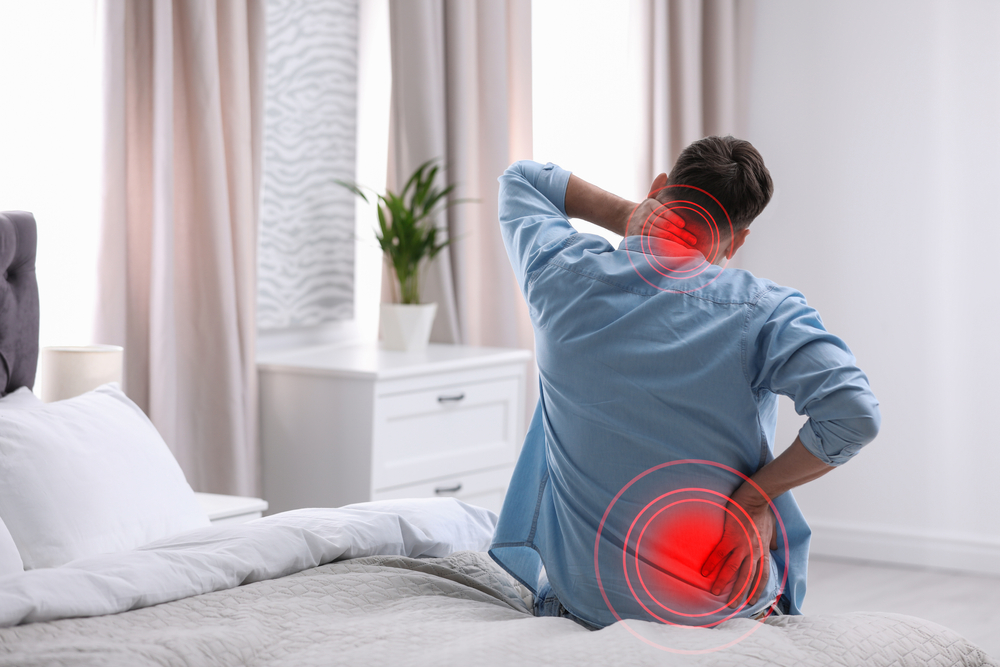
Back & Neck Pain: Neurological Causes and Effective Treatments
Back and neck pain are among the most common health complaints worldwide, affecting millions of people and significantly impacting their quality of life. While muscle strain and poor posture are often blamed, neurological causes—such as nerve compression, spinal disorders, and degenerative conditions—can play a critical role in persistent or severe

Understanding Alzheimer’s Disease: Current Treatments and Emerging Therapies
Alzheimer’s disease (AD) is the most common form of dementia, affecting millions of individuals worldwide. Characterized by progressive memory loss, cognitive decline, and behavioral changes, AD not only impacts those diagnosed but also places a significant emotional and financial burden on families and caregivers. While there is currently no cure,

The Role of Botox in Treating Neurological Conditions: Benefits and Risks
When most people hear the word Botox, they immediately think of cosmetic treatments to smooth wrinkles and fine lines. However, Botox—scientifically known as botulinum toxin type A—has proven to be far more than just a tool for aesthetic enhancement. In recent years, it has emerged as a groundbreaking treatment for

Rehabilitation Strategies for Traumatic Brain Injury (TBI) Survivors
Traumatic Brain Injury (TBI) is a complex and life-altering condition resulting from an external force impacting the head, leading to temporary or permanent impairment in brain function. These injuries can occur due to falls, vehicle accidents, sports injuries, or violent assaults, and they pose significant challenges to survivors and their
The Role of Antioxidants in Neuroprotection
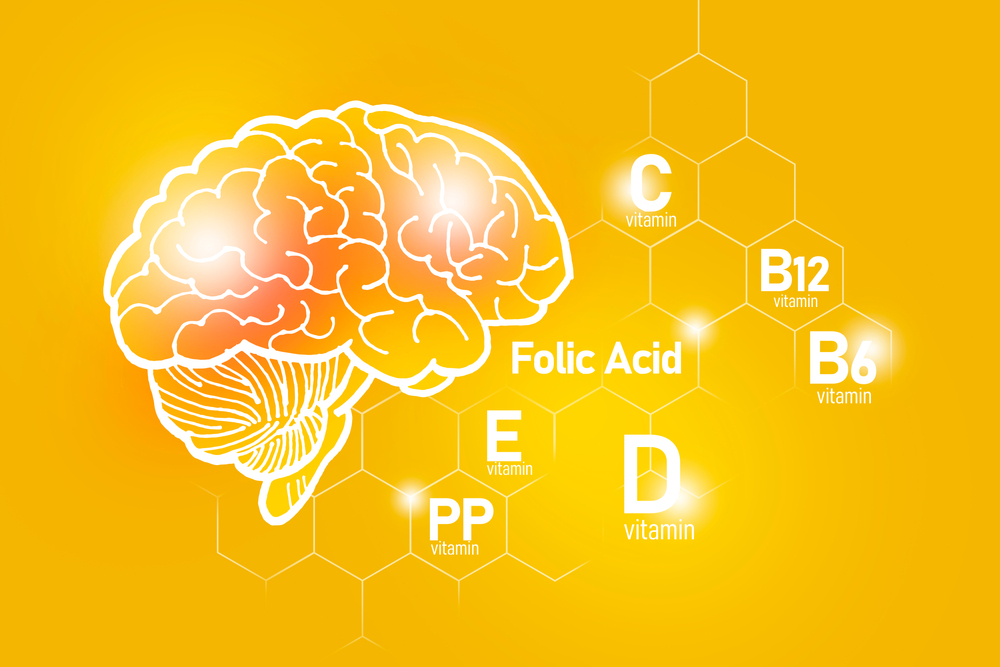
Neuroprotection, the preservation of neuronal structure and function, is a critical focus in the fight against neurodegenerative diseases such as Alzheimer’s and Parkinson’s. As researchers delve deeper into understanding how to safeguard the brain, antioxidants have emerged as potent allies in this endeavor. These molecules, found abundantly in a variety
The Effects of Aging on the Nervous System
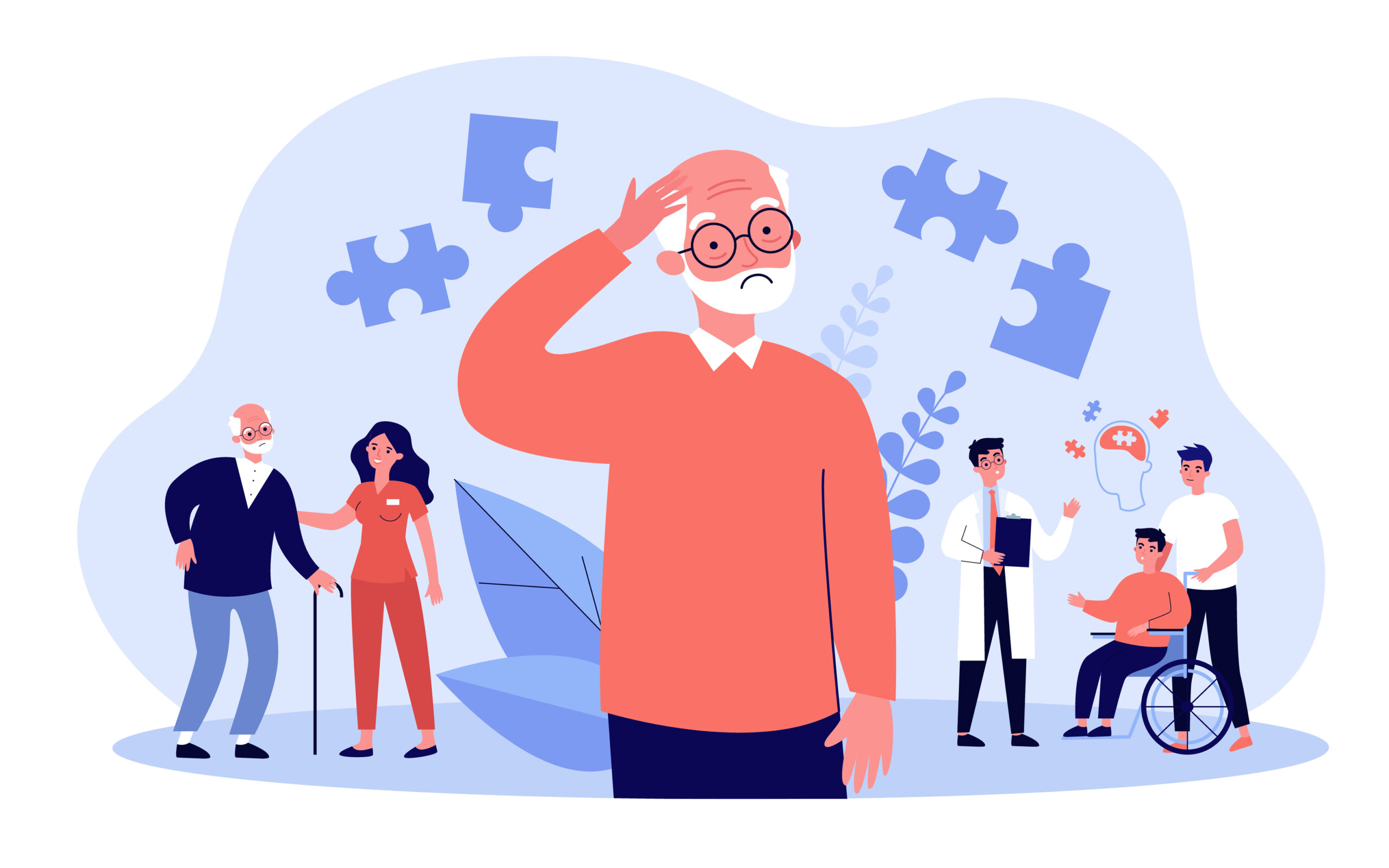
Aging is an inevitable part of life, bringing about various changes in our bodies, including the nervous system. As we grow older, these changes can significantly impact our cognitive functions, motor skills, and overall quality of life. Understanding how aging affects the nervous system is crucial, not only for individuals

The Connection Between Neurology and Cardiovascular Health
Understanding the intricate connection between neurology and cardiovascular health is crucial for maintaining overall well-being. These two systems, while distinct in their functions, are deeply intertwined, with each significantly influencing the other. From the risk of stroke and vascular dementia to the impact of hypertension on brain function, the interplay
Understanding Autoimmune Neurological Disorders | Premier Neurology
Autoimmune neurological disorders represent a complex and often challenging group of diseases where the body’s immune system mistakenly targets its own nervous tissue. These disorders can affect various parts of the nervous system, including the brain, spinal cord, and peripheral nerves, leading to a range of debilitating symptoms and complications.

Neurological Disorders in Women: Unique Challenges and Considerations
Autoimmune neurological disorders represent a complex and often challenging group of diseases where the body’s immune system mistakenly targets its own nervous tissue. These disorders can affect various parts of the nervous system, including the brain, spinal cord, and peripheral nerves, leading to a range of debilitating symptoms and complications.

The Use of Cannabinoids in Neurological Symptom Management
In recent years, cannabinoids have garnered significant attention for their potential therapeutic benefits, particularly in the realm of neurology. As compounds found in the cannabis plant, cannabinoids interact with the body’s endocannabinoid system, offering promising avenues for symptom management across a variety of neurological conditions. From chronic pain and epilepsy

Exploring Link Between Vitamin Deficiencies & Neurological Symptoms
Maintaining optimal health is intricately tied to our nutritional intake, with vitamins playing a crucial role in supporting various bodily functions. Among these, the connection between vitamin deficiencies and neurological symptoms has garnered significant attention in recent years. Vitamins are essential micronutrients that support brain health and nerve function, and

The Role of Diet in Managing Epilepsy
Epilepsy is a neurological disorder characterized by recurrent seizures, affecting millions of people worldwide. While medication and surgical interventions are commonly used to manage epilepsy, an increasing body of evidence suggests that diet can also play a significant role in controlling seizures. For many individuals, dietary modifications offer an additional,
Understanding Transient Ischemic Attacks (TIAs)
Transient Ischemic Attacks (TIAs), often referred to as “mini-strokes” or “warning strokes,” are temporary episodes of neurological dysfunction caused by a brief interruption in the blood supply to the brain. While the symptoms of a TIA are similar to those of a stroke, they are usually short-lived, often lasting only