

Exploring the Use of Medical Marijuana to Treat Migraines
Migraines affect millions of people worldwide, causing severe pain, debilitating symptoms, and a significant negative impact on daily life. While conventional treatments are available, they often fall short in providing complete relief. In recent years, medical marijuana has emerged as a potential alternative for migraine sufferers. This blog delves into the effectiveness of medical marijuana in treating migraines and explores its potential benefits and considerations.
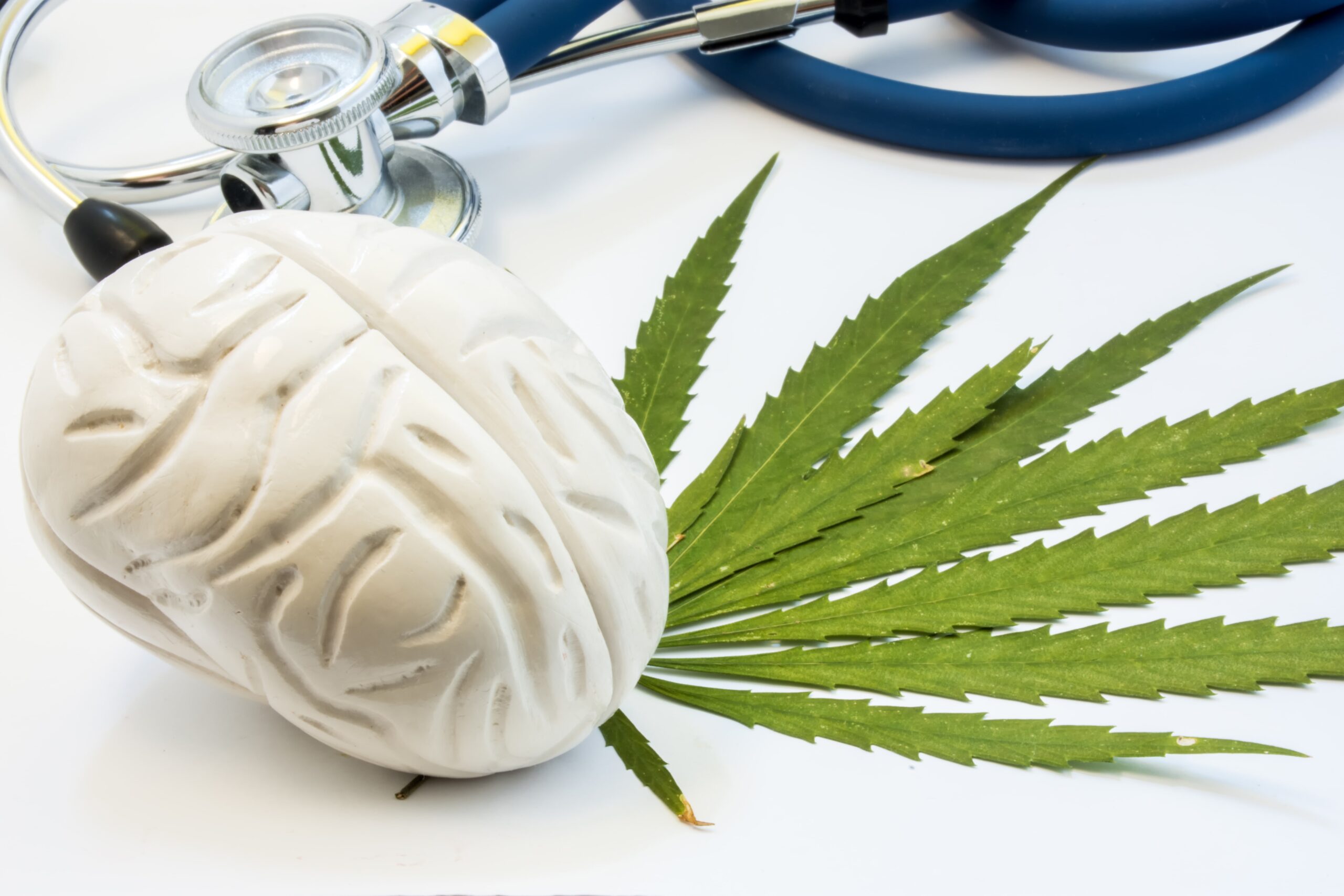
The Benefits of Combining Medical Marijuana with Traditional Neurological Treatments
The treatment landscape for common neurological conditions is constantly evolving, with medical professionals and researchers continuously exploring innovative approaches. One emerging area of interest is the combination of medical marijuana with traditional neurological treatments. This integration offers a unique opportunity to harness the potential benefits of both modalities, providing a holistic and comprehensive approach to managing conditions such as chronic pain, epilepsy, multiple sclerosis, and Parkinson’s disease. By leveraging the therapeutic properties of medical marijuana alongside established neurological treatments, patients may experience enhanced symptom relief, improved functionality, and a potential reduction in medication dosage and side effects. In this article, we will delve into the benefits of combining medical marijuana with traditional neurological treatments and explore how this synergy can potentially transform the treatment landscape for common neurological conditions.

Medical Marijuana for Alzheimer’s and Dementia: What We Know So Far
Alzheimer’s disease and dementia are formidable challenges that affect millions of individuals worldwide, profoundly impacting their cognitive abilities and quality of life. As the search for effective treatments continues, medical marijuana has emerged as a topic of interest and exploration. With its potential therapeutic properties, medical marijuana holds the promise of providing relief for those affected by Alzheimer’s and dementia. In this blog, we will delve into the current state of knowledge surrounding medical marijuana as a treatment option for these neurodegenerative conditions. By examining the existing research and understanding the complexities of this alternative approach, we aim to shed light on what we know so far and the potential it holds for individuals facing the devastating effects of Alzheimer’s and dementia.

Exploring the Science Behind Botox as a Migraine Therapy
Migraines are more than just headaches—they are complex neurological conditions that can significantly impact a person’s quality of life. While various treatment options exist, the science of using Botox as a therapy for migraines has gained considerable attention in recent years. Beyond its well-known cosmetic applications, Botox, or botulinum toxin, has demonstrated remarkable effectiveness in alleviating the frequency and severity of migraines. By exploring the scientific mechanisms behind Botox as a migraine treatment, we can uncover how this seemingly unconventional approach works and why it holds promise for those seeking relief from the debilitating grip of chronic migraines.

The Benefits of Medical Marijuana for Multiple Sclerosis Patients
Multiple Sclerosis (MS) is a debilitating condition that affects millions of people worldwide. While there is currently no cure for MS, many treatments are available to help alleviate its symptoms. One of the most promising treatments for MS is medical marijuana. Medical marijuana has been shown to provide numerous benefits for MS patients, including pain relief, improved mobility, and reduced inflammation. In this blog, we will explore the science behind medical marijuana and its potential benefits for MS patients. We will also discuss the potential risks and side effects of medical marijuana use. By the end of this blog, you will have a better understanding of the potential benefits and risks of using medical marijuana to treat MS.

The Endocannabinoid System and Its Role in Medical Marijuana Treatment
Medical marijuana has been shown to provide relief for a wide range of medical conditions, including chronic pain, epilepsy, and anxiety. But what exactly is it about this plant that makes it so effective? The answer lies in the endocannabinoid system. In this blog, we will take a closer look at the endocannabinoid system, how it works, and how medical marijuana affects this system to provide potential health benefits.
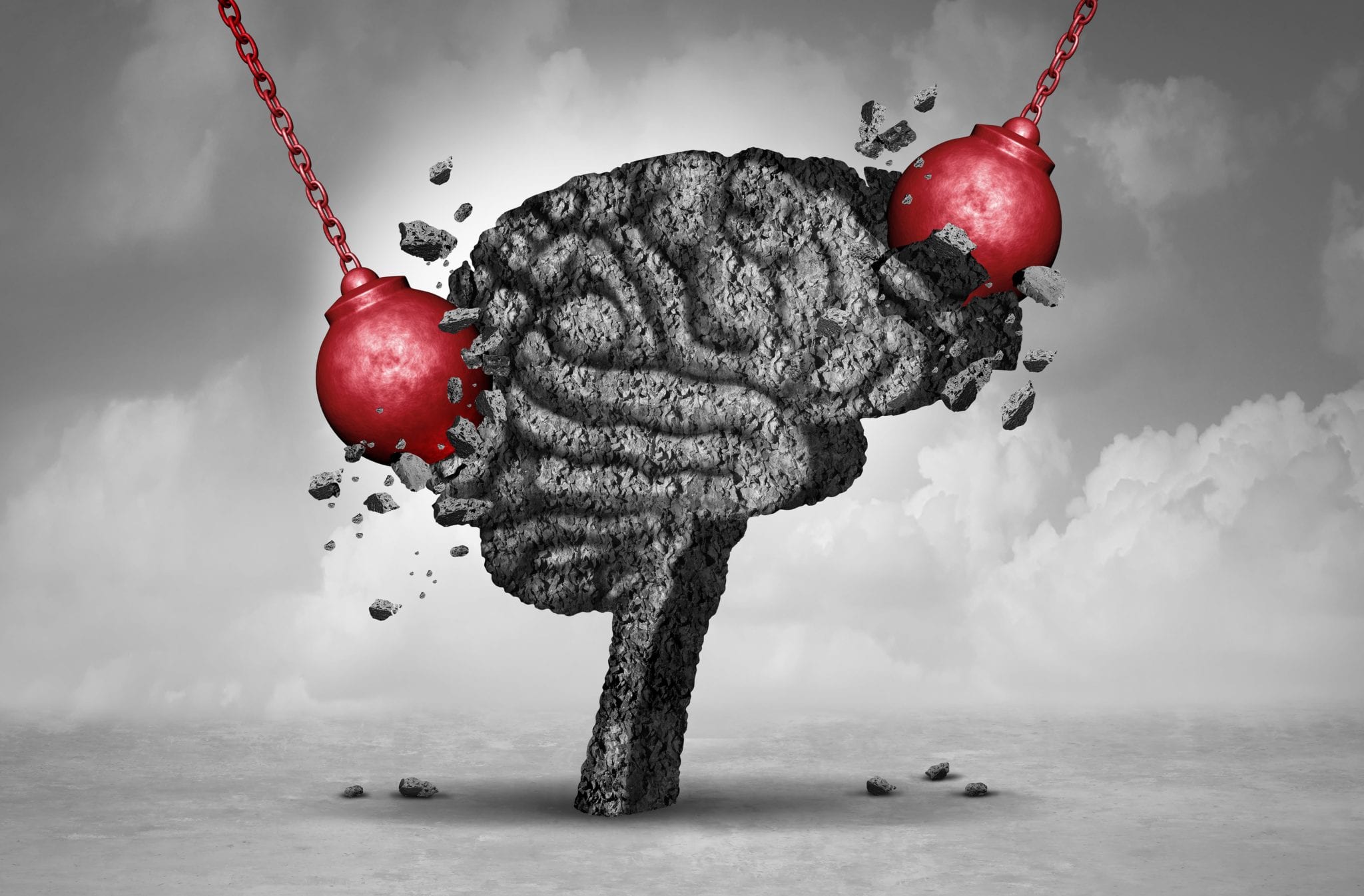
Debunking Common Migraine Myths
Migraines are a common neurological condition that affect millions of people worldwide. Unfortunately, there are many myths and misconceptions surrounding migraines that can prevent individuals from seeking proper diagnosis and treatment. In this post, we will discuss some of the most common migraine myths and provide accurate information to help increase understanding and reduce stigma.

Hypersalivation and Hyperhidrosis: What Can Be Done?
In this guide brought to you by Premier Neurology, we explain how Botox can be used to address hypersalivation and hyperhidrosis. What Is Hypersalivation? Hypersalivation, also known as sialorrhea, is a medical condition in which someone’s salivary glands produce much more saliva than usual. As a result, the excess saliva

The Top 3 Most Common Nerve Disorders
The 3 Most Common Nerve Disorders: 1. Carpal Tunnel Syndrome: The carpal tunnel is characterized as a narrow passageway surrounded by bones and ligaments on the palm side of the hand. Carpal tunnel syndrome (CTS) occurs when the median nerve is compressed as it extends through the hand down the

8 Causes of Spasticity
What Is Spasticity? Spasticity is a condition in which there is an abnormal increase in muscle tone or stiffness of muscle that can affect bodily functions and daily activities. The degree of spasticity varies from mild muscle stiffness to severe, painful, and uncontrollable muscle spasms. Common signs and symptoms of

What To Know About Sleep Disorders And The Brain
In this guide brought to you by Premier Neurology, we discuss what you may not have known about sleep disorders and the brain. What Are Sleep Disorders? Sleep disorders, also known as sleep-wake disorders, are medical conditions that cause problems with the amount, quality, and timing of sleep that a

Tips for Exercising with Muscular Dystrophy
Exercising with muscular dystrophy can be difficult. There are different types of muscular dystrophy and the severity of the condition can vary greatly. If your physician has recommended regular exercise, you can benefit from constant movement and improve muscle tone and increase overall fitness and health. What is muscular dystrophy?

5 Common Epilepsy Myths
At Premier Neurology of Stuart, FL, we help individuals and families who are living with epilepsy. It is common for our doctors to hear incorrect but highly shared myths about epilepsy disorder. What Is Epilepsy? Epilepsy is a brain disorder characterized by recurring seizures. It affects approximately 65 million people

What Causes Epilepsy?
This guide is brought to you by the experts at Premier Neurology of Stuart, FL for Epilepsy Month. We explore the different causes of epilepsy and how each one can affect you. If you or a loved one suffers from epilepsy, schedule your appointment with an experienced team of professionals

Do I Have a Balance Disorder?
Do you often feel dizzy or lightheaded? Do the walls seem to be spinning around you? If so, you may be suffering from a balance disorder. A balance disorder is a problem with the way your body senses movement and position. This can lead to feelings of dizziness, vertigo, and
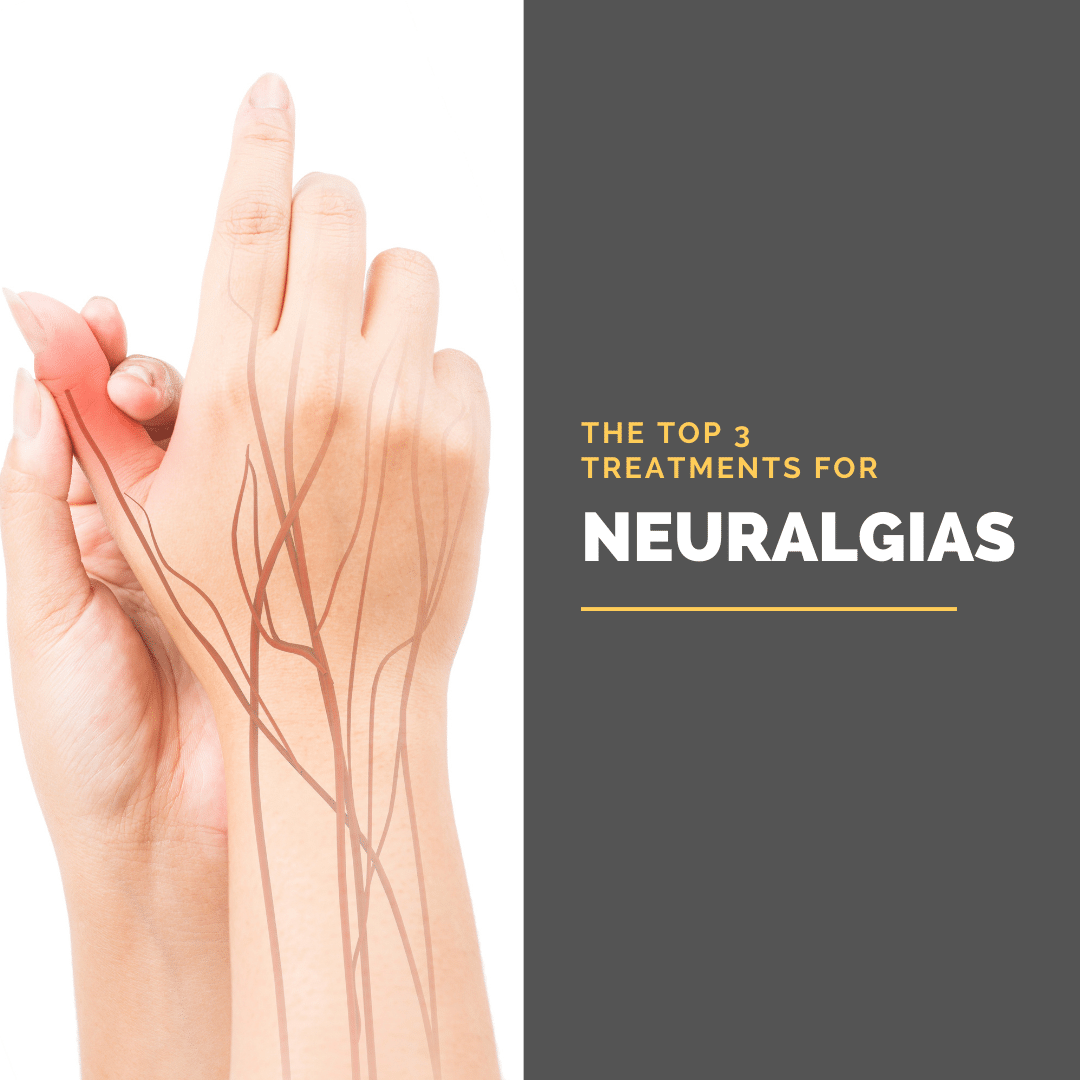
The Top 3 Treatments for Neuralgias
If you are one of the millions of Americans who suffer from neuralgia, then you know that it can be a debilitating condition. Neuralgias are characterized by episodes of facial pain, which can be extremely severe. There are many different types of neuralgia, and each type has its own unique
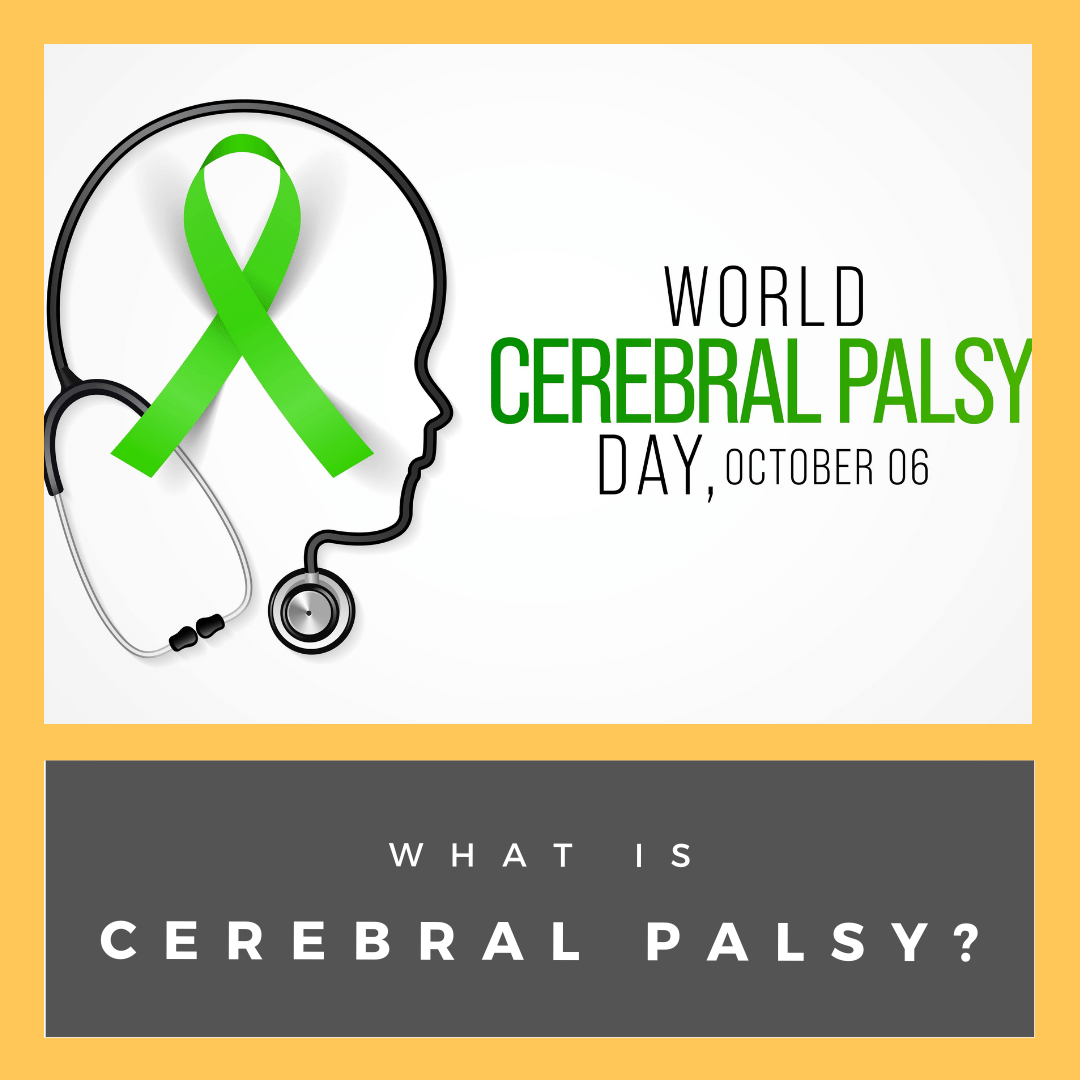
What is Cerebral Palsy?
October 6th is World Cerebral Palsy Day, a day to raise awareness for the condition that impacts 1 in 250 children worldwide. Cerebral palsy is a neurological disorder caused by damage to the brain, usually before or during birth. It affects movement and coordination and can cause a wide range
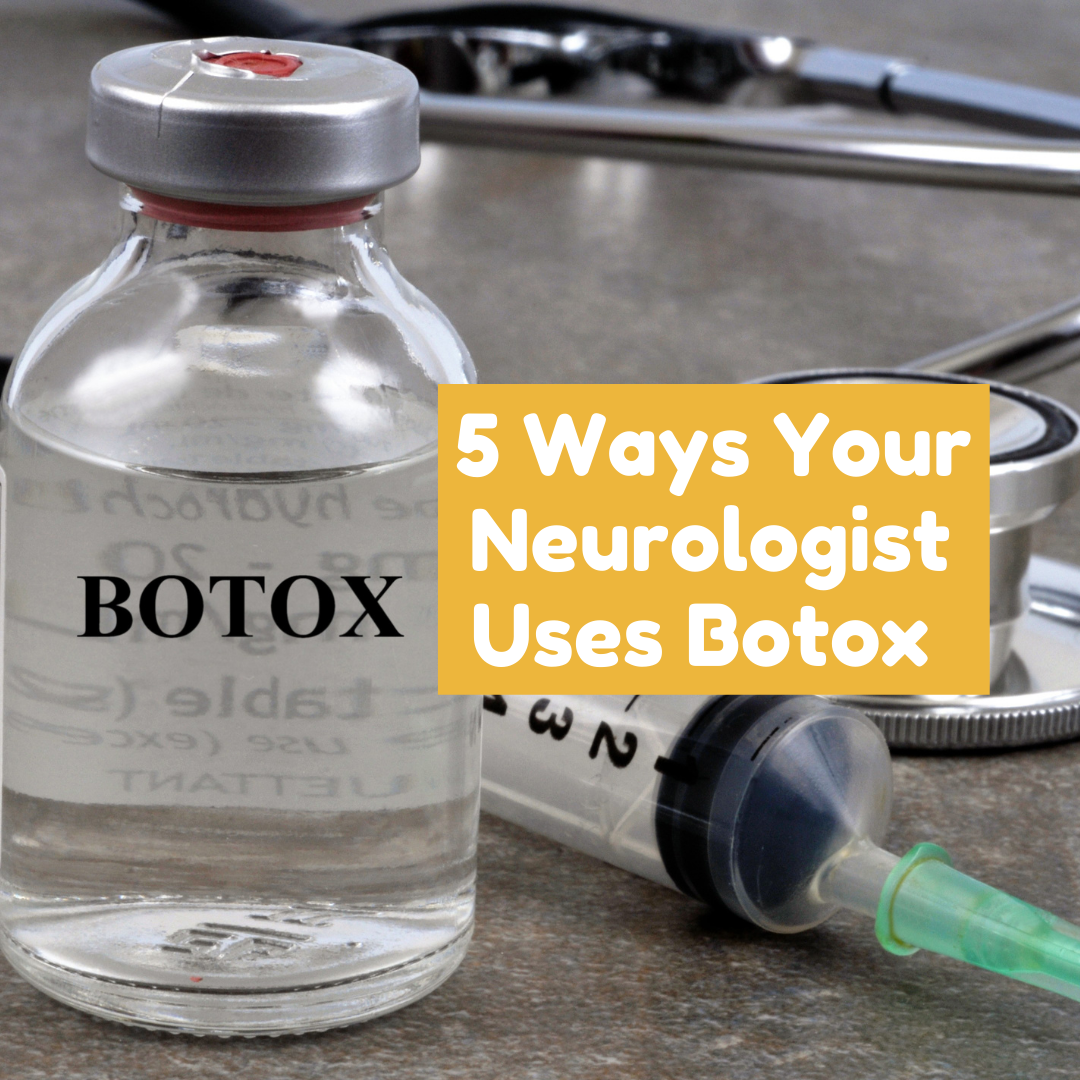
5 Ways Your Neurologist Uses Botox
Botox is a popular cosmetic treatment that many people are familiar with. However, did you know that it can also be used for medical purposes? In this blog post, we will discuss 5 ways your neurologist uses Botox to treat neurological conditions. What is Botox? Botox is a neurotoxin produced

Common Medical Marijuana Myths
Medical marijuana is becoming an increasingly popular treatment option for a variety of medical conditions. However, there are still many misconceptions about it. In this blog post, we will discuss medical marijuana and debunk some of the most common myths about medical marijuana. Keep reading to learn the truth about
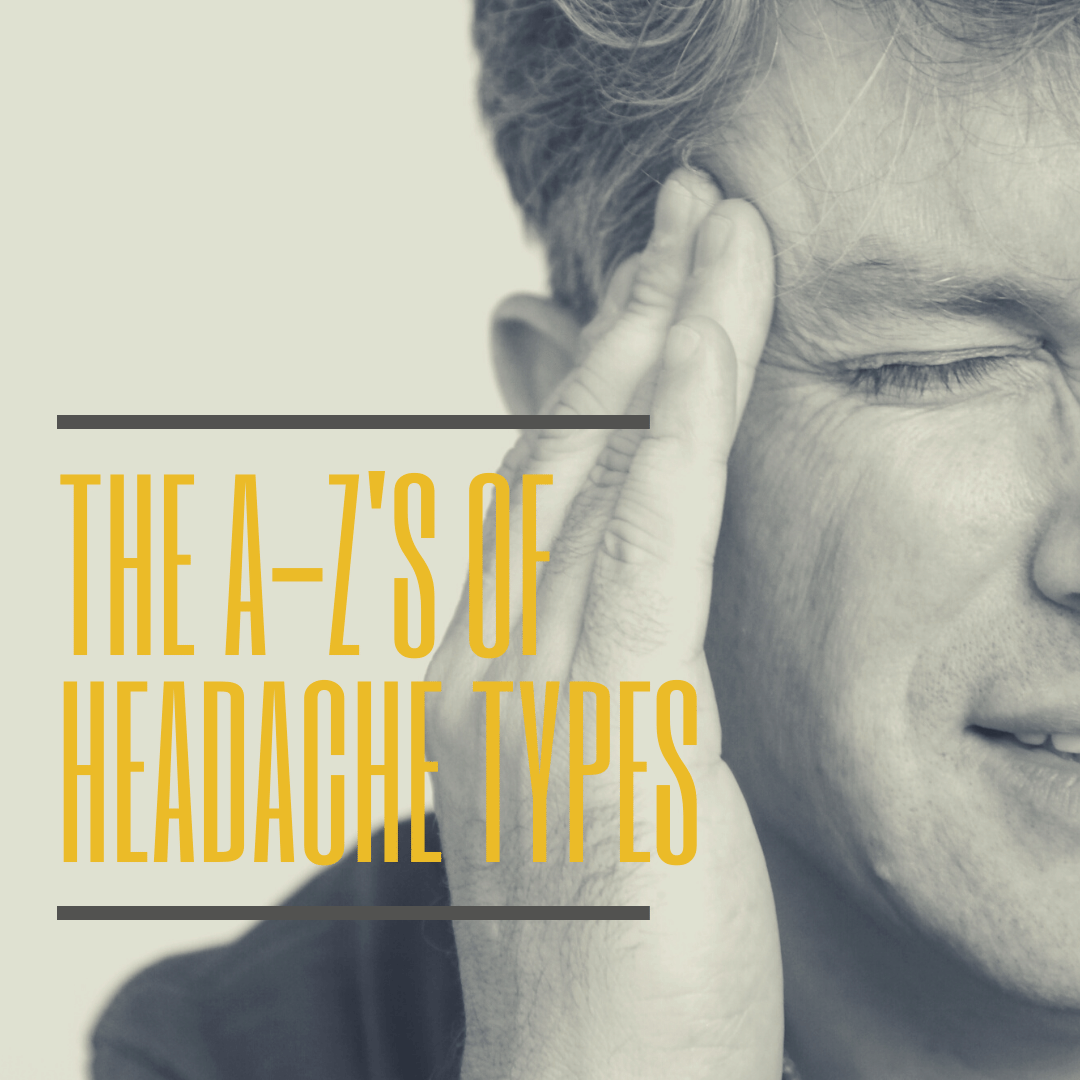
The A-Z’s of Headache Types
Do you suffer from frequent headaches? If so, you’re not alone. Headaches are one of the most common medical conditions in the world. There are many different types of headaches, each with its own set of symptoms and causes. In this blog post, we will list all of the different
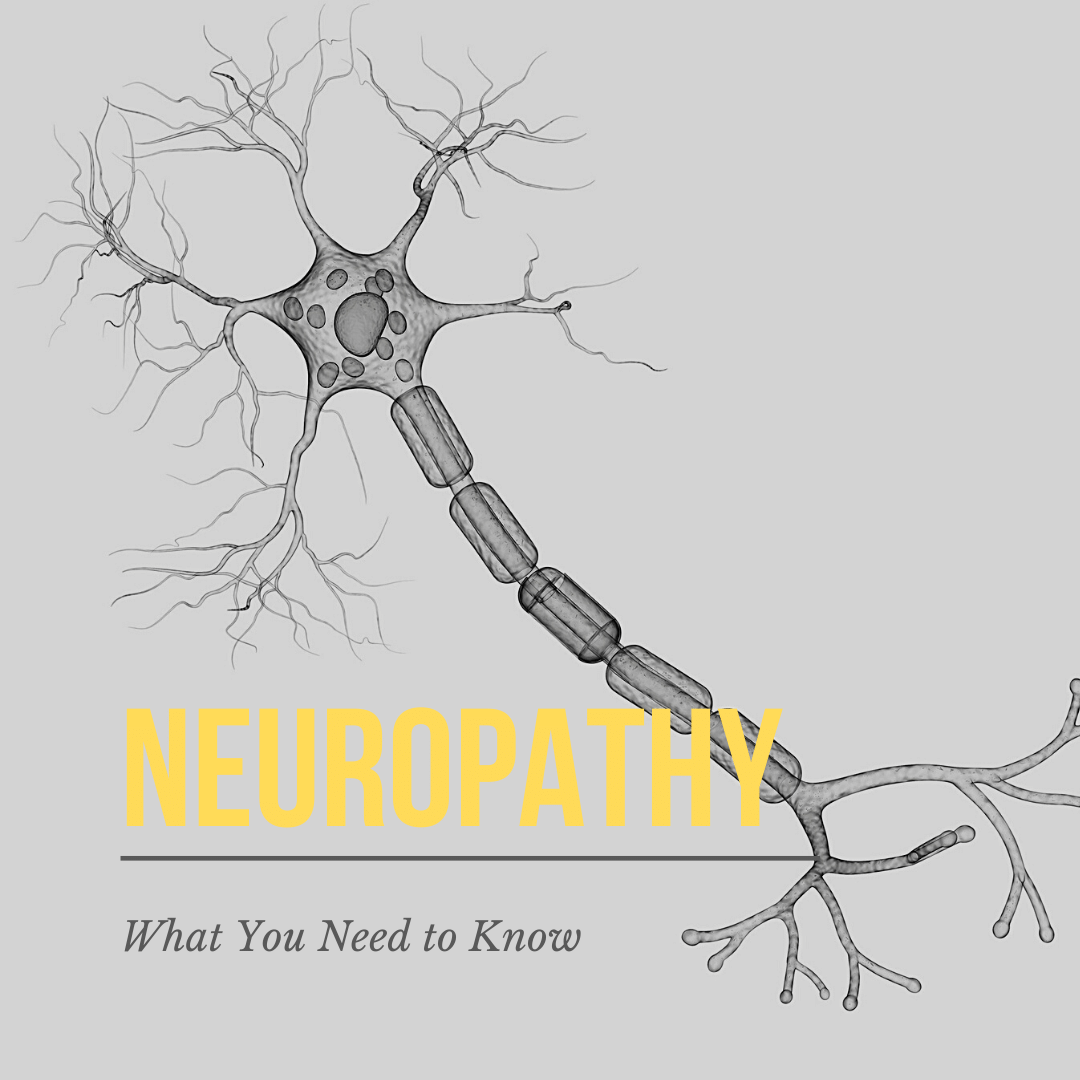
Neuropathy: What You Need to Know
Do you experience tingling, numbness, or weakness in your hands or feet? If so, you may be suffering from neuropathy. Neuropathy is a condition that affects the peripheral nervous system. The peripheral nervous system is responsible for sending messages from the brain and spinal cord to the rest of the

5 Ways Neurologists Treat Back Pain
If you are one of the millions of people who suffer from back pain, you may be wondering what your treatment options are. You may have considered going to a chiropractor or physical therapist, but did you know that neurologists can also help treat back pain? You may have seen

Why You Should See a Neurologist for Headaches
Do you suffer from frequent or severe headaches or migraines? Do they make it difficult to go about your day-to-day life? If so, you should consider seeing a neurologist. Many people don’t realize that neurologists are specialists in treating headaches and migraines. In fact, they may be able to help

Dementia and Psychotic Behavior: What You Need to Know
Dementia is a general term used to describe a decline in mental ability. It can be caused by various diseases and conditions, including Alzheimer’s disease. One of the most troubling behaviors associated with dementia is psychotic behavior, which can range from mild to severe. If you are caring for someone
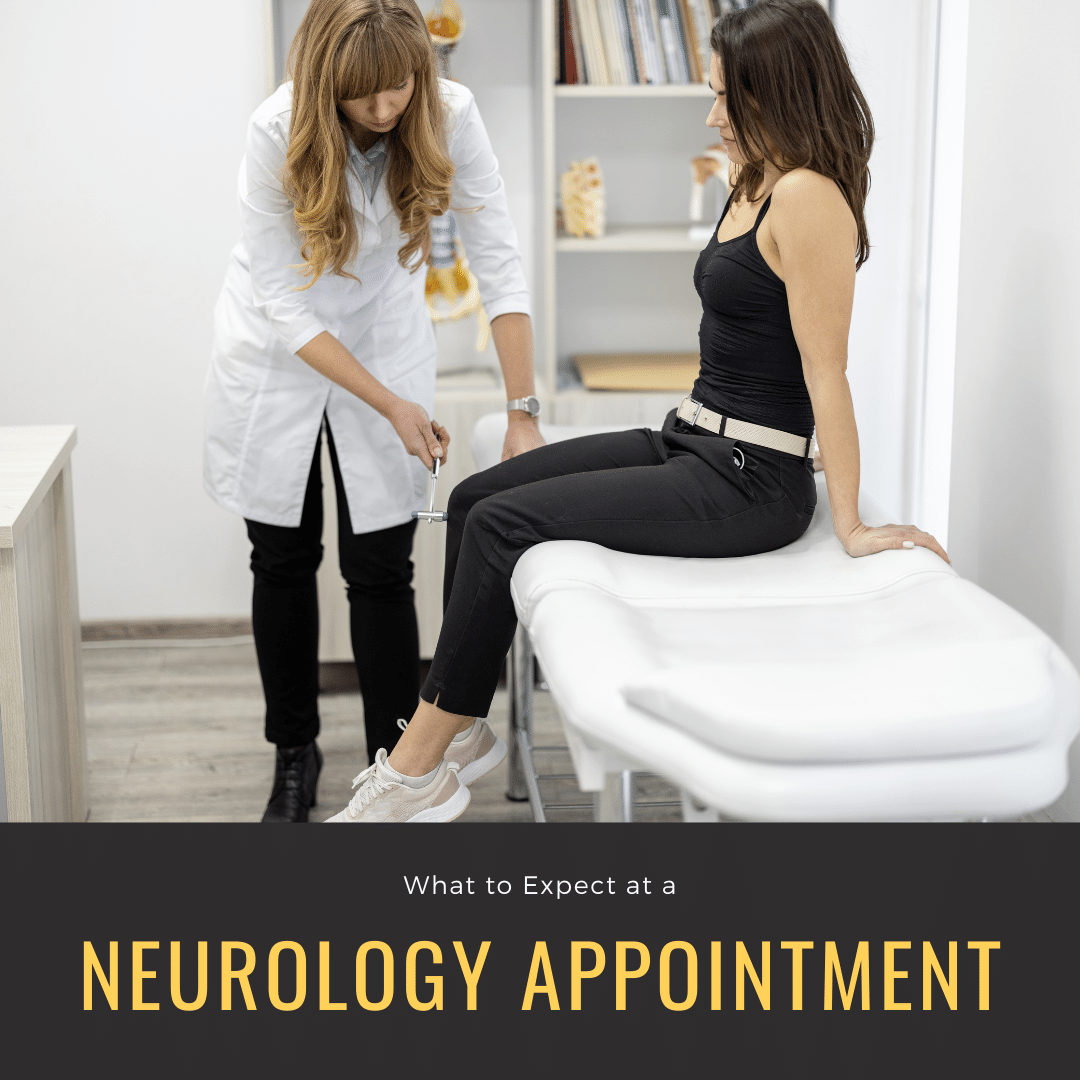
What to Expect at a Neurology Appointment
Neurologists are doctors who specialize in diagnosing and treating problems with the brain, spinal cord, and nerves. When you have a problem with any of these structures, it is important to see a neurology specialist. However, if you have never been to a neurologist before, you may be wondering what

7 Common Dementia Misconceptions
There are many misconceptions about dementia. This is unsurprising, as dementia is a complex illness that is not well understood by the general public. This can make it difficult to understand for those who have never experienced it firsthand. In this blog post, we will dispel some of the most

Is it a Migraine or Something More Serious?
Do you get severe headaches often? Do they sometimes keep you from going about your day-to-day activities? If so, you’re not alone. Many people suffer from chronic headaches and migraines. While most headaches are nothing to worry about, there are times when they can be a sign of something more
How to Find a Great Neurologist
If you or a loved one is experiencing neurological problems, it’s important to find the best neurologist possible. This brings us to the question of: how do you go about finding a great neurologist? In this blog post, we will first define what a neurologist is, discuss what to look
What is Déjà vu?
Have you ever experienced that feeling of déjà vu? That strange sense that you have been someplace before or done something before? For many people, déjà vu is a puzzling phenomenon. But what is it, exactly? And where does it come from? Today, we will answer these questions by discussing

10 Ways to Maintain Brain Health
Your brain is the most important organ in your body. It controls everything you do, from thinking and speaking to moving and breathing. That’s why it’s so important to take care of your brain health! In this blog post, we will discuss ten ways that you can maintain your brain