
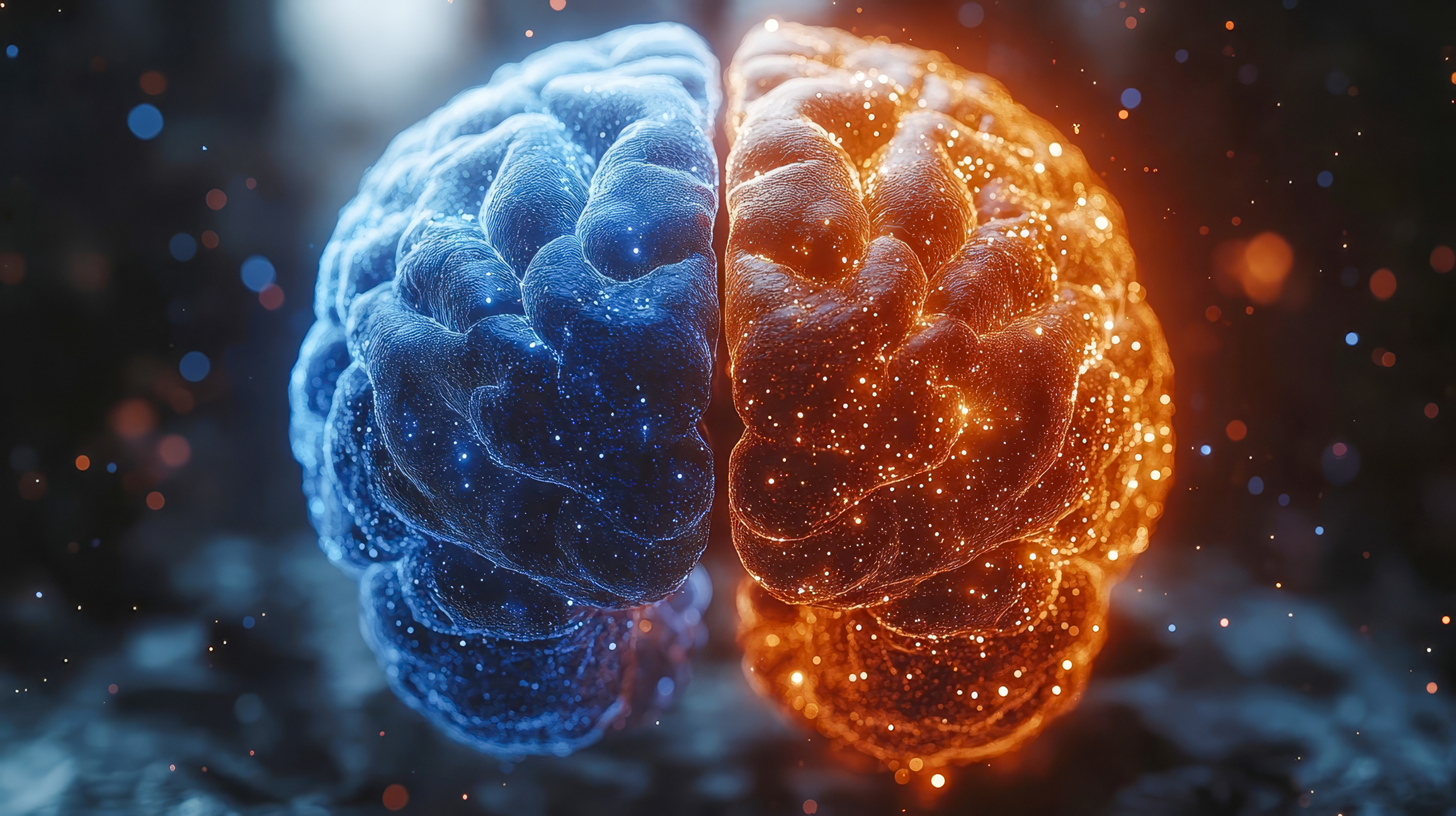
How Long Does It Take for Neuroplasticity to Work?
If you’ve ever heard phrases like “rewiring your brain” or “brain retraining”, you’re already in neuroplasticity territory. Neuroplasticity is the brain’s ability to reorganize, adapt and form new neural pathways — essentially allowing the brain to rewire itself through lifelong learning and experience.It’s one of the brain’s most impressive abilities,
What Diseases and Conditions Can Be Mistaken for Multiple Sclerosis
Hearing that your symptoms could be multiple sclerosis (MS) can feel overwhelming. At the same time, the MS workup can feel long, confusing, and emotionally draining. That’s because many neurological diseases and conditions share similar symptoms, things like numbness, weakness, vision changes, fatigue, and balance problems.[1] For your neurologist, diagnosing

What Does a Stroke-Related Headache Feel Like?
Most headaches aren’t dangerous. Annoying, yes — but dangerous? Usually not. In fact, the majority of headaches are caused by tension, migraine, illness, stress and a big headache culprit: dehydration.[1] But occasionally, a significant headache can be the nervous system’s way of sounding the alarm that something serious is happening,

What Causes Numbness in the Hands and Fingers?
If your hand “falls asleep,” or you feel “pins and needles” in your fingers, or your hand feels tingly, buzzy, or like you’re wearing an invisible glove, it’s not your imagination playing tricks. Numbness is real, and it is your nervous system telling you that a nerve signal is being

What is Neuroplasticity?
Have you ever wondered why you can learn a new language later in life, break a bad habit, or even relearn how to walk after a stroke? That’s neuroplasticity at work. It’s your brain’s remarkable ability to change itself based on what you do, think, and experience every day. Contrary

Understanding How Different Types of Epileptic Seizures Manifest
Epilepsy is a neurological disorder that affects millions of people worldwide. It is characterized by abnormal electrical activity in the brain, which can cause seizures. There are many different types of seizures, and understanding the different types is crucial for accurate diagnosis and effective treatment. In this article, we’ll explore the various types of seizures that can occur in people with epilepsy, including focal and generalized seizures, as well as other less common types. By understanding the different types of seizures, individuals with epilepsy and their healthcare providers can work together to develop an individualized treatment plan and manage seizures effectively.

Can a Proper Diet Relieve Restless Leg Syndrome?
If you’re one of the millions of people who struggle with that creepy-crawly urge to move your legs at night, you already know how disruptive it can be to sleep and daily life. Restless Legs Syndrome (RLS), also known as Willis-Ekbom Disease (WED), is a neurological condition that causes uncomfortable

What Neurologists Look for After a First-Time Seizure
A first-time seizure can feel absolutely terrifying, whether it happens to you, your child or a loved one. One moment, everything is as it should be, and the next, you’re experiencing something you don’t understand and can’t control. It’s completely natural to feel scared, confused, and desperate for answers. The

Can Neurological Disorders Cause Psychosis?
Psychosis can be a frightening word that many people don’t understand. But what does it really mean? In simple terms, psychosis describes a break from reality; when someone might see, hear, or believe things that aren’t real. It’s often linked to mental health conditions like schizophrenia, but it can also

What Is The Difference Between Dementia and Alzheimer’s Disease?
If you’ve ever heard the terms dementia and Alzheimer’s disease used as if they mean the same thing, you’re not alone. They’re often mentioned interchangeably, but they’re not the same condition. While it can become confusing, dementia is a general term for a group of symptoms that affect memory, thinking,

What Are The Symptoms of a Brain Bleed?
Your brain is a powerhouse. The ultimate command center controlling every thought, movement, sense, and memory, and regulating everything from breathing to digestion (and everything in between). So when this critical organ is under threat from something like a brain bleed, it’s understandably frightening. A brain bleed (or brain hemorrhage)

How Botox® Is Used to Treat Migraines and Muscle Spasticity
You may already know Botox as a cosmetic treatment that smooths unwanted fine lines and wrinkles, but would you be surprised to learn it’s also a powerful tool in neurology? For many people living with chronic migraines or muscle spasticity, Botox injections can bring lasting relief when other treatments fall

Exploring the Link Between Hormones and Migraine Pain
Migraines aren’t just “bad headaches.” They’re a complex neurological condition that various factors, including hormones, can trigger. If you’ve ever noticed your migraine attacks flare up around your menstrual cycle, pregnancy, or even menopause, you’re not imagining it. Hormonal changes play a significant role in migraine patterns, especially for women,

What’s The Difference Between Episodic and Chronic Cluster Headaches?
Cluster headaches are often called the “suicide headache” because of their intense pain, usually described as burning, stabbing, or drilling behind one eye.[1] They’re rare but extremely debilitating, affecting less than 1% of the population.[2] While they may look similar at first glance, cluster headaches fall into two main categories:

What Symptoms Suggest The Need For a Videonystagmography (VNG) Test?
Frequent dizziness or feeling unsteady can be unsettling, especially when you’re not sure what’s causing it. If you feel like the world around you is spinning or the ground is moving when you’re not, your neurologist might recommend a videonystagmography (VNG) test. This simple, non-invasive test helps uncover how well

What Lifestyle Changes Can I Make To Help Manage Multiple Sclerosis?
Being diagnosed with multiple sclerosis (MS) can feel overwhelming. While there’s no cure yet, there are many ways you can take charge of your health and feel more in control. Lifestyle changes, paired with your neurologist’s treatment plan, can make a real difference in how you feel day-to-day and how

How Neurologists Diagnose and Treat Carpal Tunnel Syndrome
Do you struggle to grip objects, make a tight fist, feel pins and needles in your fingers, or notice weakness or numbness in your wrist or hand? You may have carpal tunnel syndrome (CTS). This common condition affects millions of Americans and can interfere with everything from typing at work

Do I Need To See a Neurologist for a Concussion?
Most people picture football players knocked out on the field when they think about concussions. But these head injuries aren’t just for athletes; they’re the most common type of traumatic brain injury (TBI) and can happen to anyone.[1] A slip and fall, a car accident or hitting your head just

What Is The Difference Between a Brain Aneurysm and a Stroke?
Strokes and aneurysms both happen in your brain’s blood vessels, so they must be the same, right? The short answer is no. While both can strike suddenly and without warning, they are different conditions. And when it comes to brain health, every second counts. Empower yourself by understanding the difference

What Is The Role of Neurologists In Treating Myopathy?
While there’s no cure for myopathy, your symptoms can be managed, and a neurologist can help with that. Whether you’ve been diagnosed or are exploring myopathy as a possible cause of your muscle weakness, it’s natural to have questions about getting the best care. Myopathy is a group of neuromuscular

Is Restless Leg Syndrome (RLS) a Neurological Condition?
The short answer is yes, restless leg syndrome (RLS) is a neurological condition, not just an annoying nighttime quirk. It’s a recognized disorder that affects the brain, nerves, and your quality of life. [1] If you’ve ever been lying in bed, finally ready to doze off, and suddenly felt twitchy

How Can I Manage Peripheral Neuropathy In My Daily Life?
Managing your peripheral neuropathy isn’t just about easing the pain. It’s about learning how to live your life to the fullest with the condition. Neuropathy can impact nearly every aspect of your day, from your sleep and mobility to your interactions with others. It might even influence whether you say
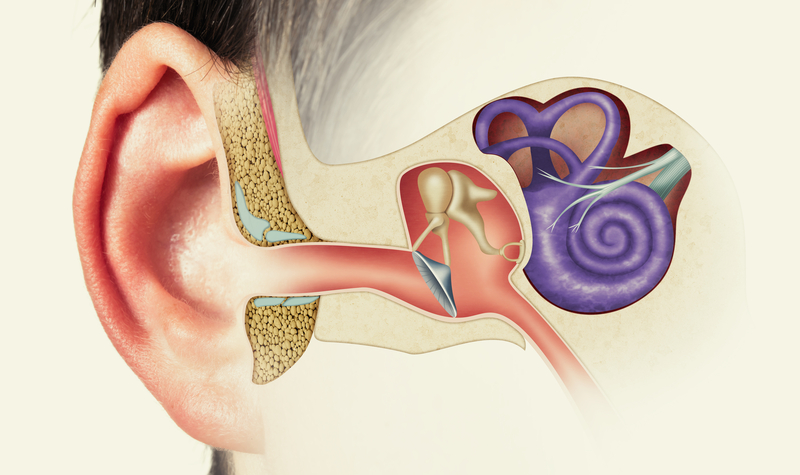
How Do Vestibular Disorders Affect Cognitive and Emotional Health?
When you think about balance problems, dizziness or vertigo might be the first things that come to mind. But vestibular disorders can go much deeper than that. Many people don’t realize these conditions can also impact memory, focus, mood and even trigger anxiety, depression, or post-traumatic stress. The brain is

What Is SUDEP in Epilepsy, and How Can It Be Managed?
If you or someone you love has epilepsy, you may have heard the term SUDEP. If you haven’t, SUDEP stands for Sudden Unexpected Death in Epilepsy. It’s not something anyone wants to think (or talk) about, but understanding SUDEP—and how to minimize risks—is a vital part of living safely with

How Sleep Deprivation Impacts Brain Function and Cognitive Health
Ever feel like your brain is in slow-mo after a rough night’s sleep? Even one bad night of sleep can feel like you’re slogging through concrete, struggling to keep up at work, forgetting simple things, or snapping at your loved ones. We’ve all had those nights: tossing, turning, staring at
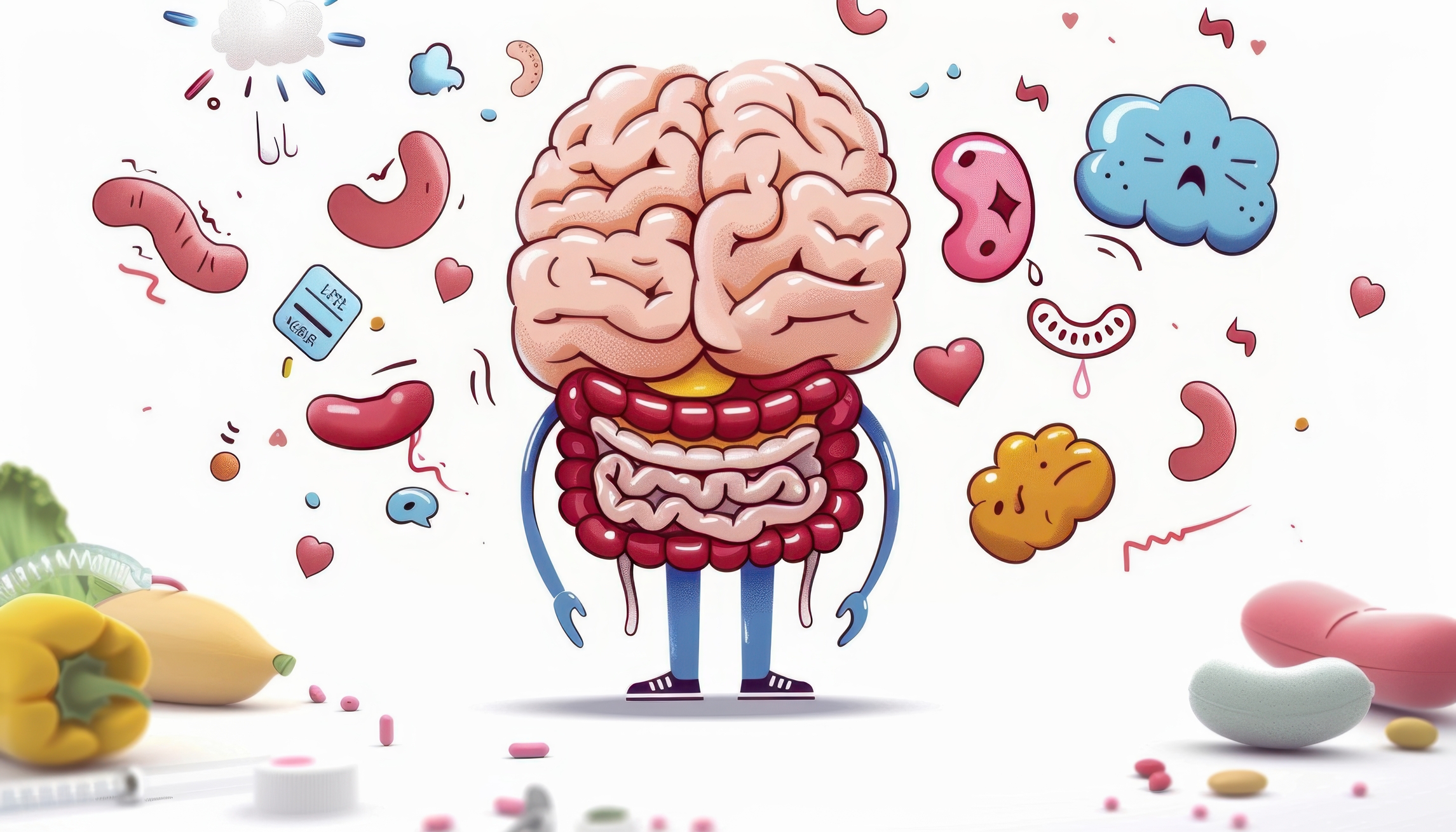
The Gut-Brain Connection and Its Role in Neurological Health
How Your Microbiome Shapes Mental and Neurological Health It might surprise you to learn that your gut—your digestive system—has much to say about how your brain feels and functions. Your gut is often called the “second brain” because of its significant role in your mood, memory, focus, and overall cognitive

New Treatments for Migraine Relief That Don’t Involve Medication
Migraine attacks are more than “just a headache.” If you suffer from these episodes, you know how intense and debilitating they can be. Left untreated, migraine pain and its accompanying symptoms can hijack not just your day, but your entire life. While medication offers relief for some, there are different

Understanding Digital Burnout and Neurological Health
We’re glued to our screens. Whether working on laptops, scrolling through phones, or zoning out in front of a TV, screen time is more than just part of the day—it is the day. And while technology gives us instant access to work, news, entertainment, and connection, it also brings something

Breakthrough Technologies Transforming Neurology
Technology in the neuroscience field is transforming our understanding of the human mind and the treatment of patients. With neurological disorders affecting more than 15% of the global population, AI (artificial intelligence), remote monitoring, and neuromodulation are transforming the way neurologists diagnose and manage brain and nervous system conditions. [1]

Signs That You Should See a Neurologist
If you’ve been experiencing unexplained symptoms like persistent migraines, balance issues or tingling and numbness, you may have a neurological problem. Your doctor may refer you to a specialist called a neurologist if your symptoms suggest a condition affecting the brain or nervous system. While this might sound intimidating, neurologists